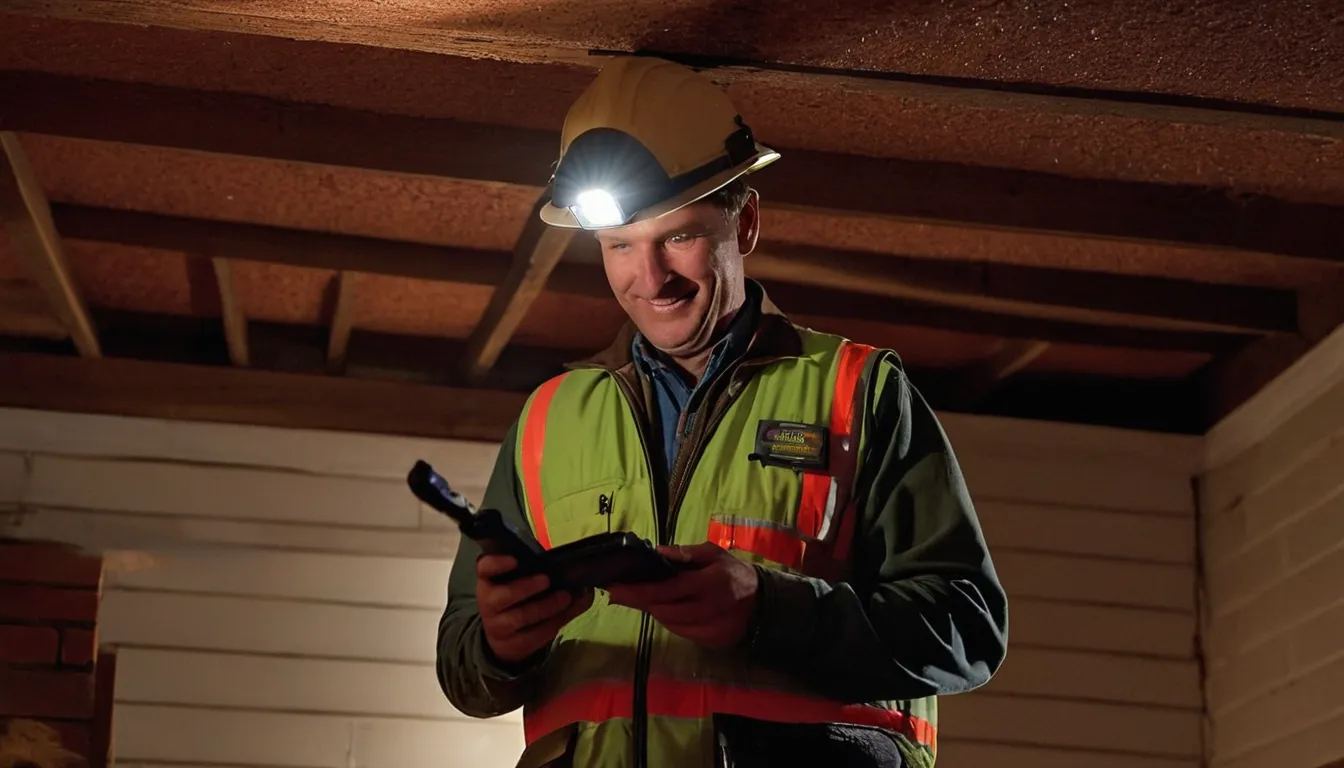
Scratching in the walls. Droppings in the garage. A smell in the attic. These are signs that a rodent or wild animal has moved in. Mice, rats, squirrels, raccoons and bats all find a way into homes around San Antonio.
Supportedmonthly Pest Control is a referral service. We do not do the removal. We connect you with independent providers in our network who do. Before anyone starts work, we suggest you get your photos and notes in order. That makes estimates clearer. It also helps if you ever talk to your insurer. Then you can ask good questions and decide.
Scratching in the attic or walls? Start here
You heard something overhead. Maybe you searched "exterminator near me." Good move. But know this: rodents and wildlife are a different job than ants or roaches.
You need a provider who does wildlife removal. Not every pest company does. Supportedmonthly Pest Control points you to independent providers in our network. They do the work. We do not.
Why waiting makes it worse
Rodents breed fast. One pair becomes a crowd in a few months. Gnawed wiring is a fire risk. Droppings and urine soak into insulation.
Larger animals bring their own trouble. A raccoon can tear up a vent. A mother squirrel may have babies in your attic. Acting early keeps the damage small.
Signs to watch for
Look for these clues:
- Scratching, thumping or squeaking in walls or ceilings
- Droppings in cabinets, the garage or the attic
- Gnaw marks on wood, wires or boxes
- Greasy rub marks along walls
- Torn insulation or flattened nests
- A sharp, musty or sour smell
- Chewed holes near the roofline, vents or soffits
Document it first
This is the step most people skip. Do it before anyone arrives.
Take clear photos of droppings, holes and damage. Add a ruler or coin for scale. Write down dates and times you hear noises. Note where they come from. Keep any receipts for repairs.
Why bother? Providers can quote more accurately. And records help if you talk to your insurer. Some policies may cover sudden damage. Check your policy. Providers can often help document damage for a claim.
Common animals providers handle
Mice and rats
The usual suspects. Mice fit through a gap the size of a dime. Rats need a bit more room. Roof rats like attics, especially in warm climates like ours.
Squirrels and raccoons
They chew into attics and soffits. They are loud and strong. Spring often means babies inside.
Bats, opossums and others
Bats are protected in many areas. Opossums and armadillos dig under porches and slabs. Each animal needs a different plan.
How removal works
The steps are simple. A provider inspects the house inside and out. They find the entry points and the type of animal. Then they explain a plan and give you a written quote.
Next comes removal. That may mean traps, one-way doors or exclusion work. After that, the provider seals the openings. Some also clean up droppings and replace soiled insulation.
Humane handling and local rules
Rules vary by state and city. Some animals cannot be moved or harmed. Bats and nesting mothers often have extra protection.
Ask the provider how they handle live animals. Ask what local rules apply. A solid provider will answer plainly.
Know your options
Trapping alone rarely ends it. If the hole stays open, new animals move in. Sealing the entry points matters as much as removal.
Ask about three things: removal, repair and cleanup. Some providers do all three. Others do only one. Know which you are buying.
Special note for local homes
Many homes here are slab-on-grade ranches. The attic is the main way in. Hot attics also bake droppings and spread odor. Older pier-and-beam houses have open crawl spaces that invite animals underneath.
Storm season matters too. Heavy rain pushes rodents indoors looking for dry space.
Choosing a removal provider
Ask these questions:
- Do you handle wildlife, or only insects?
- Are you licensed in this state, where required?
- Will you seal the entry points?
- Is the quote written and itemized?
- What happens if animals return?
Save the answers with your notes. Compare two or three providers. Ask, then decide.
Keeping animals out
Prevention is plain work:
- Trim tree limbs back from the roof
- Cap chimneys and screen vents
- Seal gaps around pipes and wires
- Store food and pet feed in sealed bins
- Keep trash lids tight
- Fix soft or rotted soffits
Check the roofline after every big storm.
When to also think about general pest control
Rodents can bring fleas and mites. If you see those, ask about residential pest control too. That is a separate service with its own page.
Ready to move?
Gather your photos and notes. Then reach out. Request a callback to check provider availability, or send an estimate request. No obligation.
What's Included
Inspection of entry points
A provider checks the roofline, vents, soffits and foundation to find where animals are getting in.
Trapping or removal
Traps, one-way doors or other methods remove the animals based on the species.
Sealing and repairs
Openings are closed so new animals cannot move in.
Cleanup options
Some providers clean droppings and replace soiled insulation. Ask what is included in the quote.
Typical rodent and wildlife removal costs
Prices depend on the animal, the size of the problem and how hard the home is to reach. These are typical U.S. ranges only. Get a written quote before work starts.
| Item | Typical range | Notes |
|---|---|---|
| Inspection | $75 – $250 | Some providers credit it toward the job. |
| Mouse or rat trapping | $150 – $600 | Often needs several visits. |
| Squirrel or raccoon removal | $300 – $1,000 | Higher if babies are present. |
| Bat exclusion | $500 – $3,000 | Timing rules may apply. |
| Sealing entry points | $200 – $1,500 | Depends on how many gaps. |
| Attic cleanup and insulation | $500 – $6,000 | Large attics cost more. |
How It Works
Document what you see
Take photos of droppings, holes and damage. Write down dates, sounds and where you hear them.
Call or request an estimate
Request a callback to check provider availability, or use the request form to get started.
Compare written quotes
Ask what is covered: removal, sealing and cleanup. Compare two or three.
Choose and schedule the work
Pick the provider you trust. Keep your records and the written quote for later.
Why Call Supportedmonthly Pest Control
Records before the visit
Photos and notes help providers quote closely and help you if you talk to your insurer.
Clear options
You learn what removal, sealing and cleanup mean before you pick a provider to hire.
Independent providers
Providers in our network do the work. Supportedmonthly Pest Control only connects you with them.
No pressure
Ask questions, compare quotes and decide on your own schedule. There is no obligation.
Other Services
Need rodent & wildlife removal in San Antonio?
Request a callback to check provider availability, or send a request with your photos and notes. No obligation to hire anyone.
No obligationRodent & Wildlife Removal FAQ
- Who do I call for mice or squirrels in my attic?
- Look for a wildlife removal provider, not just an insect exterminator. Many pest companies handle rodents, but squirrels and raccoons often need a specialist. Ask what animals they treat and whether they seal entry points.
- Will homeowners insurance cover rodent or wildlife damage?
- It depends on your policy. Many exclude damage from vermin over time, but some may cover sudden damage. Check your policy and talk to your insurer. Photos and notes help, and providers can often help document damage for a claim.
- Is trapping enough to get rid of rodents?
- Usually not alone. If the entry holes stay open, new animals move in. Ask the provider to find and seal the gaps. Cleanup of droppings and insulation may also be needed, so ask about it in the quote.
Get in touch
Request a callback to check provider availability, or send a request with your photos and notes. No obligation to hire anyone.
No obligation